How to Spot Storm Damage on Your Roof in Kissimmee, FL Before It Becomes a Major Problem
Kissimmee’s weather can shift quickly—from intense afternoon thunderstorms to tropical systems that sweep through during hurricane season. While your roof is designed to protect your home from these conditions, storm-related damage isn’t always easy to spot. Small issues can turn into costly repairs if they go unnoticed.
This guide highlights early signs of storm damage so you can keep your home protected year-round.
Check for Shingle Problems After High Winds
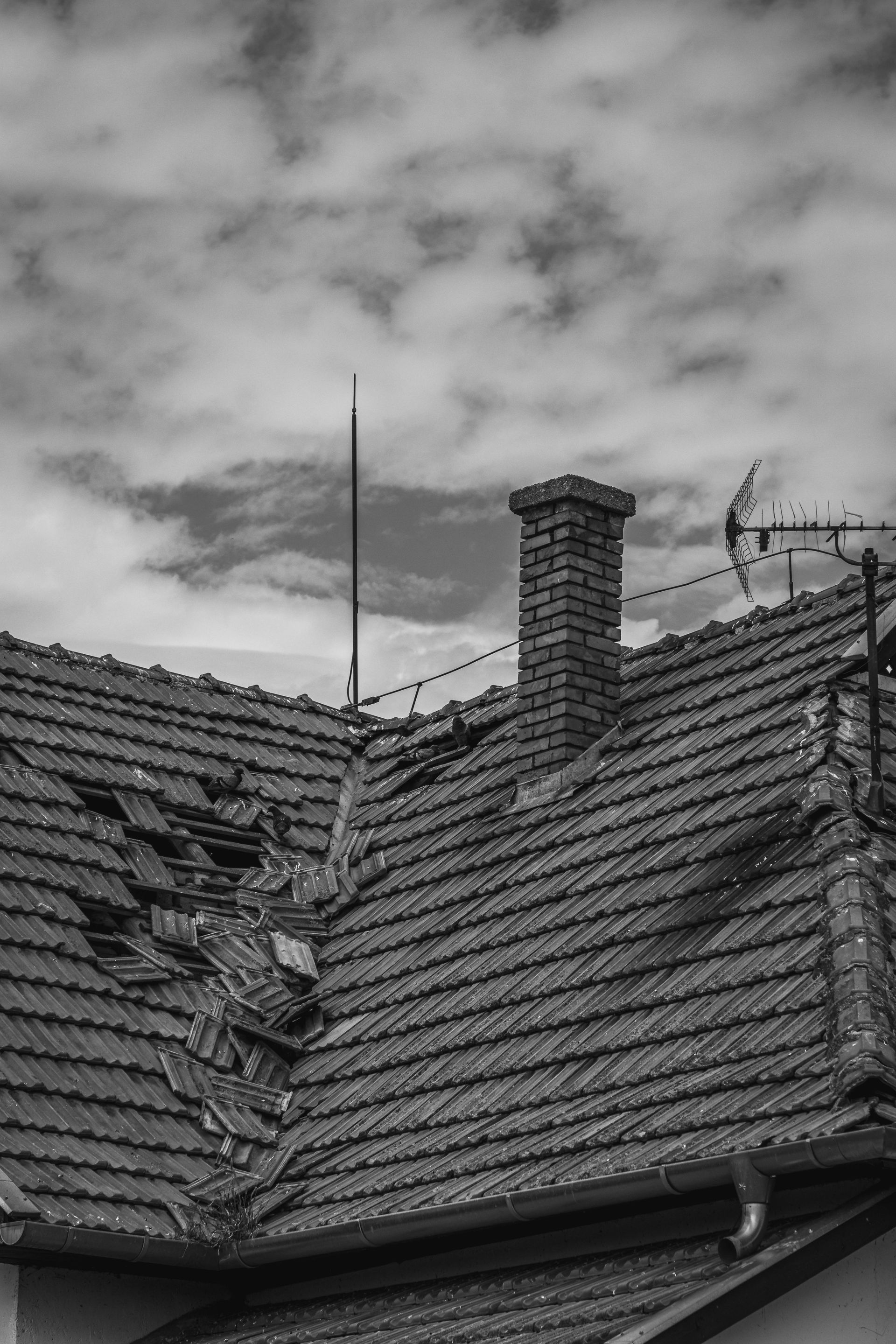
Strong wind gusts can pull shingles loose or weaken them. As you look over your roof from the ground or with binoculars, watch for:
- Areas where shingles appear to be missing
- Pieces of shingles are scattered around your yard
- Edges that seem lifted or won’t lie flat
- Visible cracking or splitting
Even a single compromised shingle can allow moisture into the layers below.
Look for Excess Granules Around the Property
Heavy rain or hail may cause shingles—especially older ones—to shed granules, the gritty particles that shield them from UV damage. If you notice granules accumulating in:
- Gutters
- Driveways or walkways
- Downspout drainage areas
- Soil near the foundation
It may suggest wear or storm-related impact.
Watch for Indoor Signs of Leaks
Not all storm damage is visible from outside. After a major storm, check inside your home for:
- Brown or yellow spots on ceilings
- Walls that feel soft, swollen, or bubbled
- A musty odor coming from the attic
- Damp or clumped insulation
Even subtle discoloration can indicate water intrusion.
Inspect the Metal Flashing Around Roof Openings
Chimneys, skylights, and vents rely on flashing to keep water out. Strong winds or airborne debris can bend, loosen, or shift this metal. If the flashing looks misaligned, dented, rusted, or raised, moisture may be entering the roof system.
Check for Branches or Storm Debris
Kissimmee storms often break tree limbs or send loose debris onto roofs. Even smaller branches can leave behind dents, cracks, or punctures. Larger limbs can cause significant structural damage and should be reviewed by a professional immediately.
Look for Areas That Appear Sunken or Uneven
Any part of the roof that looks lower or sagging may indicate:
- Water-soaked decking
- Ongoing leaks
- Structural deterioration beneath the surface
This type of issue requires prompt attention.
Why Quick Response Matters
Storm-related roof damage can escalate quickly in Florida’s humid climate. Delays may lead to:
- Mold growth
- Rotting wood
- Higher cooling costs
- Expanding leaks
- More extensive—and expensive—repairs
Spotting issues early helps protect both your home and your budget.
If You’re Unsure, Schedule a Professional Inspection
If you’d prefer not to climb a ladder or simply want confirmation, consider arranging a roof inspection with a licensed contractor in the Kissimmee area. A trained professional can identify subtle damage and recommend appropriate next steps, whether minor repairs or more extensive work are needed.