How Kissimmee’s Weather Can Damage Your Roof (And What Homeowners Should Watch For)
Living in Kissimmee means dealing with weather that changes quickly and often. Our long stretches of intense heat, sudden cloudbursts, humid afternoons, and the occasional tropical system can all create conditions that wear down a roof over time. Homes that haven’t been inspected recently—or that are already a few decades old—tend to show the effects first.
Understanding how Florida’s climate interacts with different roofing materials can help homeowners notice early warning signs and prevent avoidable damage.
Below are the most common ways Kissimmee’s weather affects roofs and what residents should monitor throughout the year.
Intense Sun and UV Exposure
Central Florida’s strong sunlight doesn’t just fade exterior paint—it gradually dries out roofing materials. When a roof is exposed to high temperatures day after day, you may start to see:
- Shingles that look brittle or dehydrated
- Loss of protective granules
- Edges that begin to curl or lift
- Surfaces that look warped or uneven
If your roof appears chalky, faded, or fragile, prolonged UV exposure is often the cause.
Heavy Rainfall and Persistent Humidity
Regular afternoon storms and high humidity can create moisture problems, especially on roofs with minor existing weaknesses. Long-term exposure to moisture may lead to:
- Leaks around vents or seams
- Mold or mildew in attic spaces
- Roof decking that feels soft or spongy
- Underlayment deterioration
Because humidity remains high even outside the rainy season, small openings can quickly turn into larger water-intrusion issues.
Wind Damage From Summer Storms
Wind is one of the biggest threats to roofing in Central Florida. Strong gusts can:
- Loosen or pull up shingles
- Shift ridge caps
- Bend or lift flashing
- Open pathways for water to seep under the roof covering
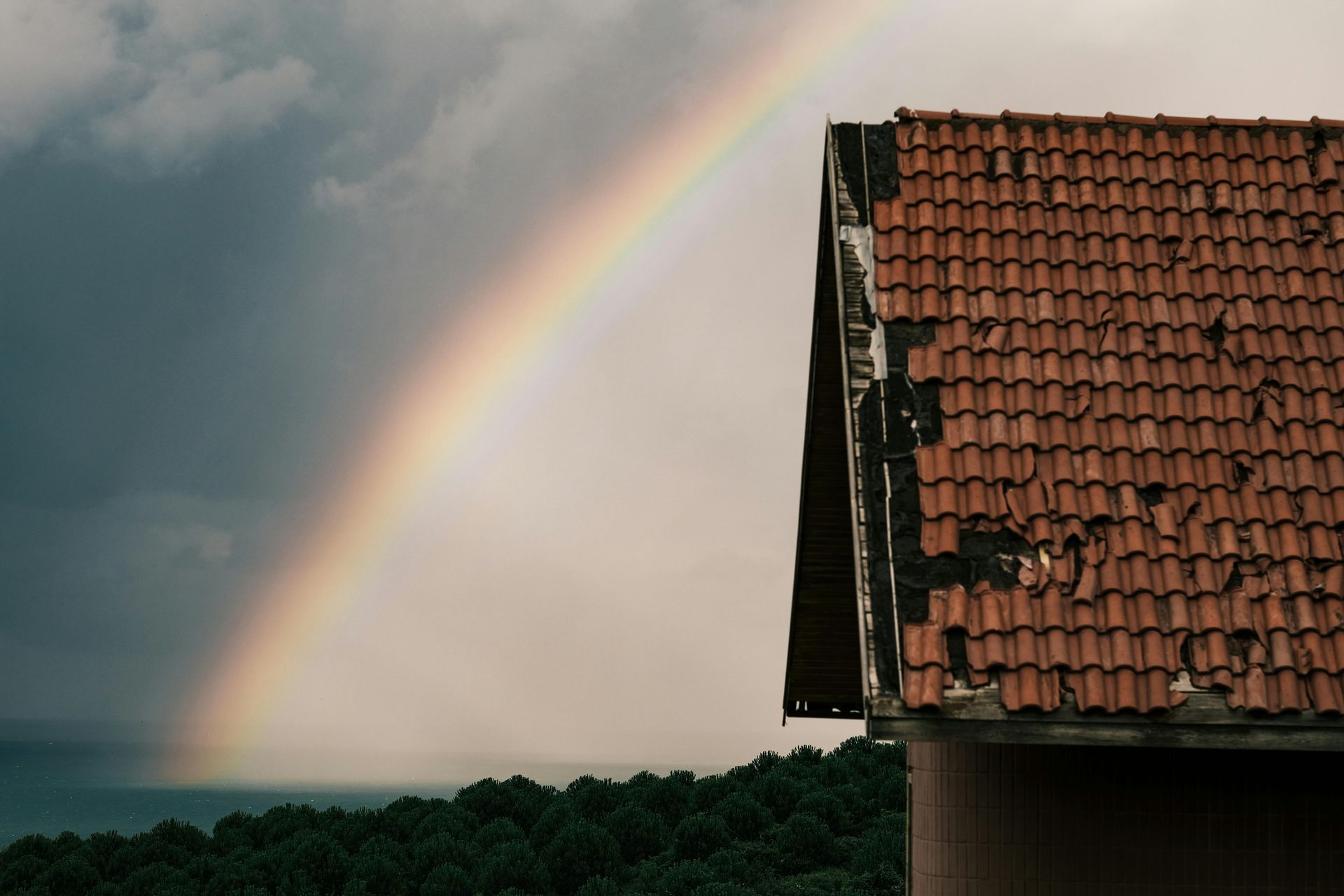
If you notice shingle fragments in your yard after a storm, your roof may have sustained wind-related damage.
Impacts From Tropical Storms and Hurricanes
Even though Kissimmee is inland, large storm systems can still produce damaging winds and heavy rain. During a major storm event, roofs often experience:
- Significant shingle loss
- Impact damage from fallen limbs
- Structural stress or lifting
- Fast-developing leaks
Some storm-related issues can be subtle and may only be uncovered during a professional inspection.
Occasional Hail Events
While hail isn’t frequent in Central Florida, it can be surprisingly destructive when it does occur. Hailstones may leave behind:
- Indentations in shingles
- Small fractures or chips in tiles
- Hidden bruising that later develops into leaks
Because hail damage can be difficult to see from the ground, many homeowners overlook it.
What Homeowners Should Pay Attention To
Kissimmee residents can spot many early warning signs by visually checking their roofs and attic spaces. Look for:
- Shingles that are missing, bent, or curling
- Wet marks or stains on ceilings
- Flashing that’s loose or out of place
- Gutters that are clogged or overflowing
- Excess granules are collecting in the downspouts
- Any sagging or uneven roof lines
- Soft spots or musty smells in the attic
- A sudden spike in cooling costs
Any of these symptoms may indicate weather-related deterioration.
Why Annual Roof Inspections Matter in Kissimmee
Because Florida roofs face more environmental stress than those in many other states, most experts recommend scheduling an inspection at least once a year—ideally before and after hurricane season. Regular inspections can detect developing problems early, helping homeowners avoid:
- Costly repairs
- Mold or moisture issues
- Structural damage
- Unexpected leaks during storms
Many local roofing companies offer complimentary inspections, making it easier for homeowners to stay ahead of potential issues.