Determining Whether You Need Roof Repair or a Full Replacement in Kissimmee, FL
When a roof begins to age or suffers damage from Florida’s frequent storms, homeowners often struggle to decide whether a simple repair will suffice or if a full roof replacement is necessary. It’s an important choice—one that affects both long-term home protection and overall costs.
The following guide outlines key differences between repairs and full replacements, the signs to watch for, and when it’s appropriate to bring in a licensed Kissimmee roofing professional for an expert assessment.
Indicators That Roof Repairs May Be Enough
Not all roofing problems require extensive work. In many cases, issues can be resolved quickly with targeted repairs. The situations below often fall into that category:
Localized Shingle or Tile Problems
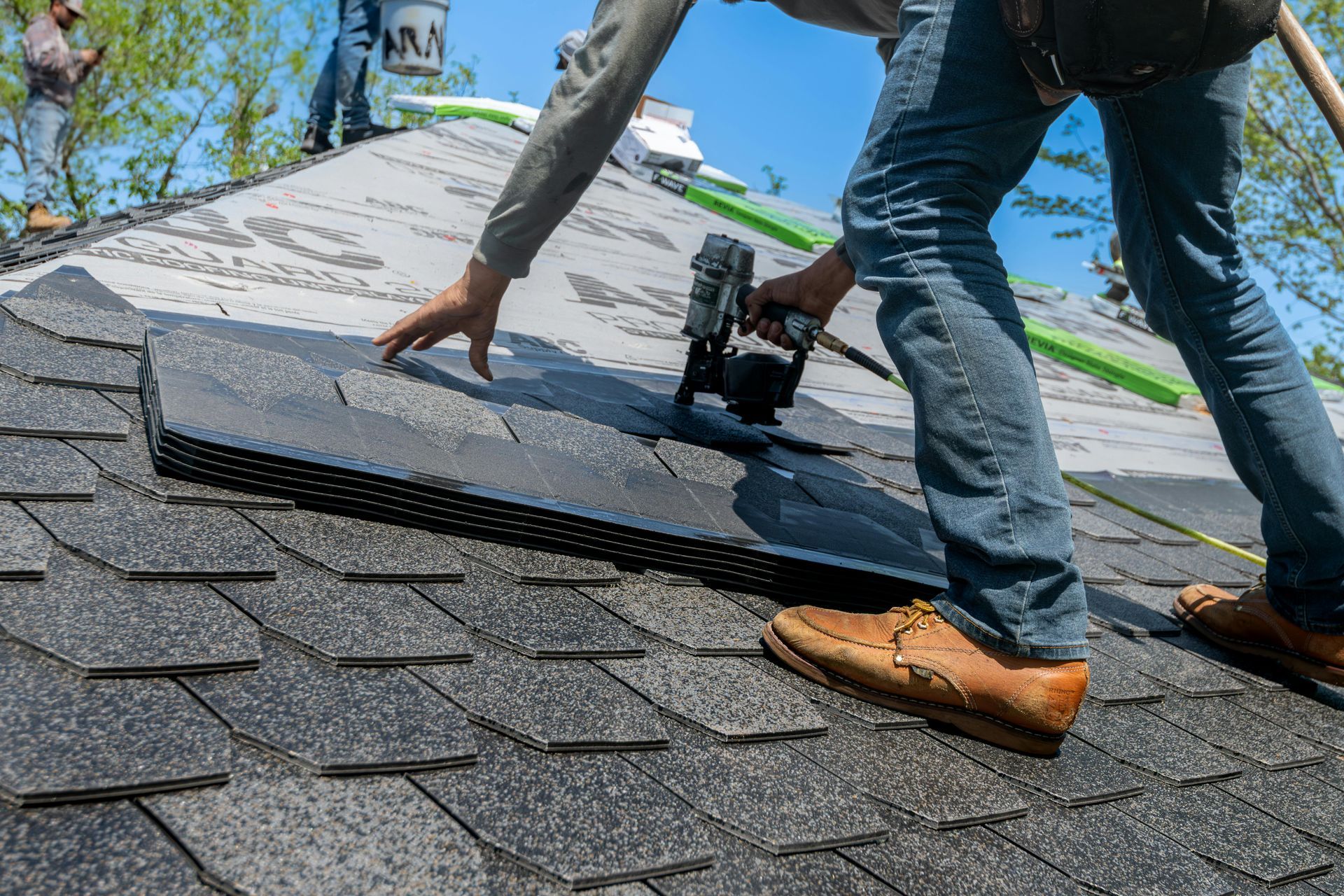
A few damaged, dislodged, or weather-worn shingles or tiles typically indicate an isolated issue. A roofing technician can often replace these individual components and restore the surrounding area without disturbing the rest of the roof.
Confined or Minor Leaks
A single leak doesn’t automatically signal roof failure. Moisture intrusion can stem from worn-out flashing, deteriorated seals around vents or pipes, or even a few improperly seated nails. Repairing these trouble spots typically resolves the problem.
Storm Impact Limited to One Section
If wind or debris has affected only a small portion of the roof, a repair is generally sufficient. After seasonal storms in Kissimmee, many homeowners need only targeted storm-damage repairs rather than full replacements.
Roof Age Is Still Well Within Its Expected Lifespan
Younger roofs—such as asphalt systems under roughly 10–12 years old, tile roofs under 30 years, or metal roofs well below the 40–50-year mark—usually don’t require full replacement unless damage is extensive.
Signs That a Full Roof Replacement May Be the Better Option
In some circumstances, patching up the roof only delays broader issues. If you notice any of the following, a complete replacement may be advisable:
Approaching or Exceeding Expected Lifespan
While exact longevity varies, the most common materials have general service life ranges. Once a system nears the end of its expected duration, replacement typically delivers better long-term value than ongoing repairs.
Damage Across Large Portions of the Roof
When a significant part of the roof surface shows deterioration—such as curling shingles, widespread cracking, or heavy granule loss—repairs become less practical and may not provide lasting results.
Recurring Leaks in Several Areas of the Home
Multiple leaks often indicate underlayment failure or deeper moisture issues beneath the surface. This type of condition generally can’t be resolved through isolated fixes.
Noticeable Sagging or Structural Concerns
A roof deck that sags is a warning sign of potential rot, trapped moisture, or compromised structural components. In such cases, replacement and reinforcement are typically necessary.
Increasing Energy Bills or Poor Ventilation
A roof with ventilation or insulation problems can cause higher indoor temperatures and rising cooling costs—an issue especially noticeable in Florida’s climate. Replacement may be required to restore proper airflow and efficiency.
Repair vs. Replacement: How to Make an Informed Choice
If you’re still uncertain, consider these general guidelines:
Repairs Are Typically Appropriate When:
- Damage is minimal to one area
- The roof is relatively new
- Leaks are minor and isolated
- Most shingles or tiles remain structurally sound
Replacement Is Worth Considering When:
- The roof is nearing the end of its life
- Wear and damage are widespread
- Water intrusion is occurring in multiple locations
- Structural integrity is in question
- You plan to sell the home and want to maximize value
Many Kissimmee roofing companies offer complimentary inspections, making it easy to confirm the best course of action.
How Kissimmee Weather Impacts Roof Longevity
Kissimmee’s climate—characterized by intense sunlight, frequent heavy rain, high humidity, strong winds, and occasional hurricanes—can accelerate wear on roofing materials. Annual inspections are a smart way for homeowners to stay ahead of issues. After severe weather or hail, scheduling a roof inspection for insurance purposes can prevent costly surprises later.
Why Professional Roof Inspections Matter
A licensed roofing contractor will typically evaluate:
- Roof coverings (shingles, tiles, or metal panels)
- Flashing and waterproofing components
- Decking and underlying structure
- Attic airflow and ventilation
- Moisture levels and signs of hidden leaks
- Storm-related damage
Their findings provide a clear picture of your roof’s condition, allowing you to make an informed and confident decision.
Partner With a Reliable Roofing Company in Kissimmee
If you're unsure about your roof’s health, a reputable local roofing contractor—such as Kissimmee Roofing Pros—can guide you through the process. Their services include:
- Roof repair
- Full roof replacement
- Emergency storm-damage services
- Tile, shingle, and metal roofing solutions
- Free roof inspections
An expert evaluation can help safeguard your home and ensure you make the most cost-effective decision for your situation.